


 0
0
 0
0
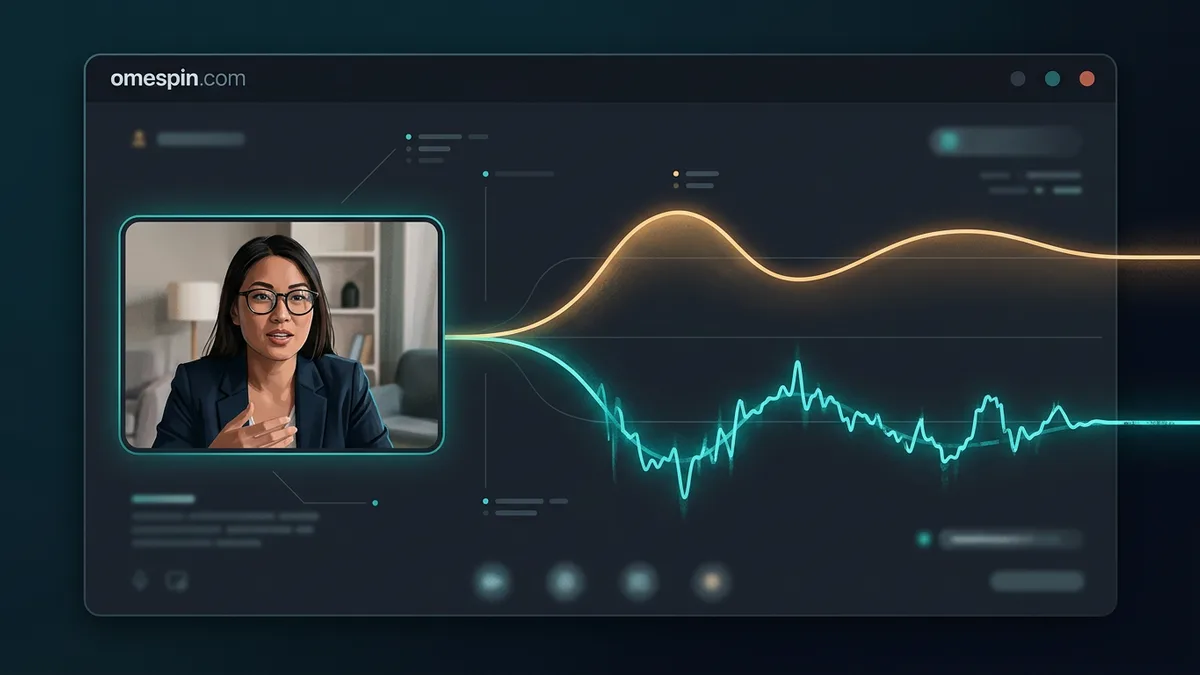
There is a moment almost everyone hits on their first real cam2cam session: you hear your own voice played back through the speakers and think, “that is not me.” You cringe, you overcorrect, and suddenly you are trying to sound like a character instead of yourself. Here is the thing nobody explains — the voice you hear in your own head genuinely is not the same sound everyone else hears, and that gap is why you feel like a stranger on camera. Understanding why it happens is the first step to finally sounding natural and confident in front of the lens.
The Anatomy of the “That’s Not Me” Moment
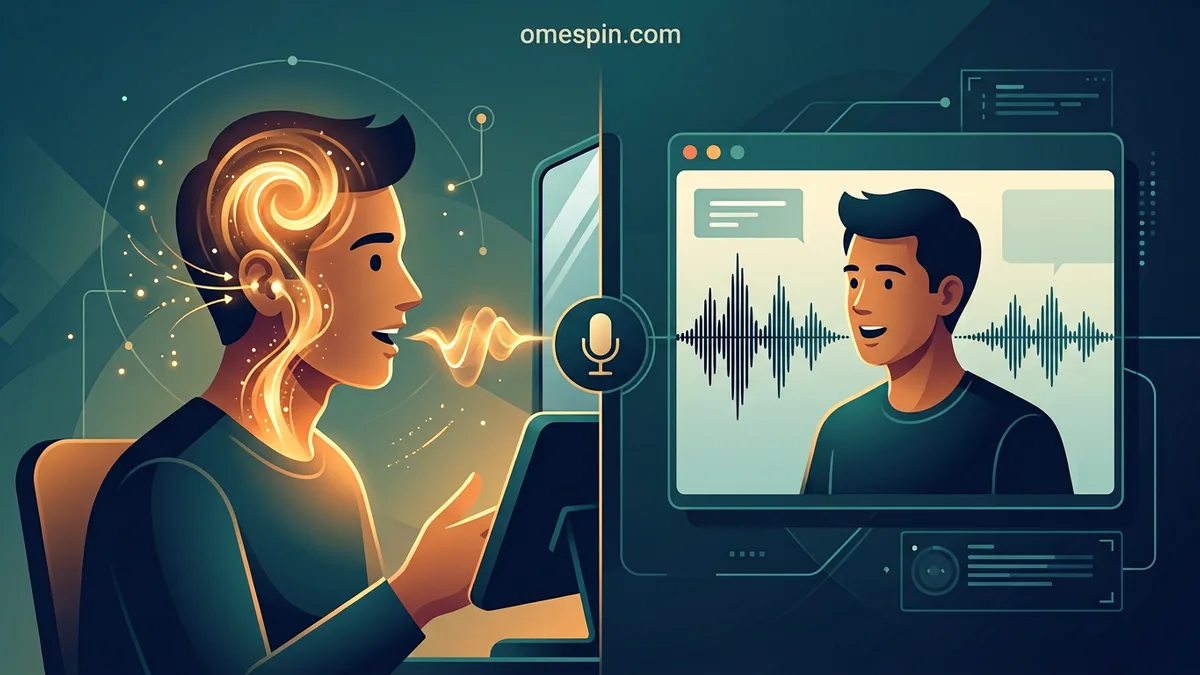
When you speak normally, you hear your own voice through two paths at once: the sound travelling through the air to your ears, and the vibrations passing through your skull and bones directly to your inner ear. That bone conduction makes your voice sound deeper and richer to you than it actually is. When you hear a recording or a cam playback, you are only getting the air-conducted version, which is lighter, thinner, and higher than what you are used to. It is a completely normal, physical effect — but because it feels foreign, your brain reads it as “wrong,” and you start to doubt yourself. Research into how people recognise their own voice shows exactly how easily that mismatch throws us off, and studies on self-voice perception confirm the quirkiness of hearing yourself externally.
Why This Hits Even Harder on Video Chat
On a live cam2cam session the effect is amplified. There is the artificial latency, the compressed audio, the added pressure of being watched in real time, and the tiny delay between speaking and hearing yourself in the headset. All of it makes your voice sound even less familiar than a simple recording would. That is why people who are totally comfortable in person suddenly sound stiff, hesitant, or unnatural the moment the camera turns on. You are not a bad conversationalist — your brain is just getting confusing feedback about your own voice, and it makes you second-guess every sentence.
How It Shows Up in Your Sessions
This discomfort rarely stays in your head. It leaks into how you actually talk. You might rush your words to “get them out,” mumble because you are distracted, speak in a forced lower register to try to match the voice you expected, or go quiet and let the other person carry the conversation. None of that is you being bad on cam — it is an unconscious reaction to hearing a version of yourself that does not match your self-image. The more you fight it, the more unnatural you sound, and the worse the cycle gets. Knowing that this is a mechanical quirk and not a real flaw takes a huge weight off, and it is the same reason the whole experience of random chat confuses so many people at first, which is why knowing the best times to find great matches matters more than you think.
Step 1: Just Listen to Your Real Voice Until It Feels Normal
The fastest fix is simple exposure. Record yourself speaking naturally, listen to the playback, and keep doing it until the sound stops feeling alien. Your brain is highly adaptable, and the more you hear your actual external voice, the more it becomes “yours.” After a few sessions of listening, that cringe reaction fades and you can finally hear yourself the way others do — without flinching. This is not about liking the voice; it is about accepting it as your own so it stops distracting you mid-conversation.
Step 2: Talk at Your Natural Pace and Register
Stop trying to sound like a radio announcer or a character. Speak at the pace and pitch you actually use with friends, because that is the version of you that comes across as genuine. The moment you stop performing, your voice relaxes, your sentences flow, and you stop sounding like you are reading from a script. Natural pacing does more for how you are perceived on cam than any microphone or vocal trick ever could. People connect with a person, not a performance, and your own unfiltered voice is what feels most real to them.
Step 3: Get Feedback From the Connection, Not the Recording
Here is a useful reframe: your conversation partner is not comparing you to a recording, and they are not hearing the playback in their head the way you do. They are just hearing a person talking, and to them that person is unmistakably you. The only reason it sounds wrong is that you are comparing your live voice to an internal version of yourself that does not exist outside your own head. Focus on the other person’s reactions instead of monitoring your own sound, and the awkwardness dissolves on its own. The more your attention is on them, the less your brain can obsess over how you sound.
Why Sounding Like Yourself Is the Whole Point
It is worth saying clearly: the version of your voice that feels “wrong” to you is exactly the version that sounds real to everyone else. Trying to change it to match what you hear internally only makes you sound rehearsed and less trustworthy. Accepting your actual voice is what lets you relax, be spontaneous, and let your personality come through — which is precisely what makes someone compelling to talk to on cam. If you want proof of how much this matters, notice how the most magnetic people on any cam platform are rarely the ones with perfect voices; they are the ones who sound completely at ease being themselves, and the same applies across the best free random chat platforms. The real technique behind how girls make the hottest content on random chat is less about a scripted act and more about genuine, unguarded energy, something covered in detail in how girls make the hottest omegle porn on random chat.
Sound Like You and Everything Gets Easier
The voice you hear in your head is not the voice everyone else hears, and that single fact explains a lifetime of cringing at recordings and feeling awkward on camera. The fix is not to change your voice — it is to get comfortable with your actual sound. Listen to it until it stops being strange, speak at your natural pace, keep your attention on the other person, and let go of the performance. When you finally sound like yourself on cam, the whole session changes: you stop fighting your own voice and start actually connecting, and that honest, present energy is exactly what makes slutomegle.com/omegle-but-18-only the kind of place where real interactions happen. It is the difference between watching yourself and being yourself, and it is the fastest way to feel as confident in front of a webcam as you do in person. Give your natural voice a chance, and you might be surprised how good it already sounds.


